penicillin
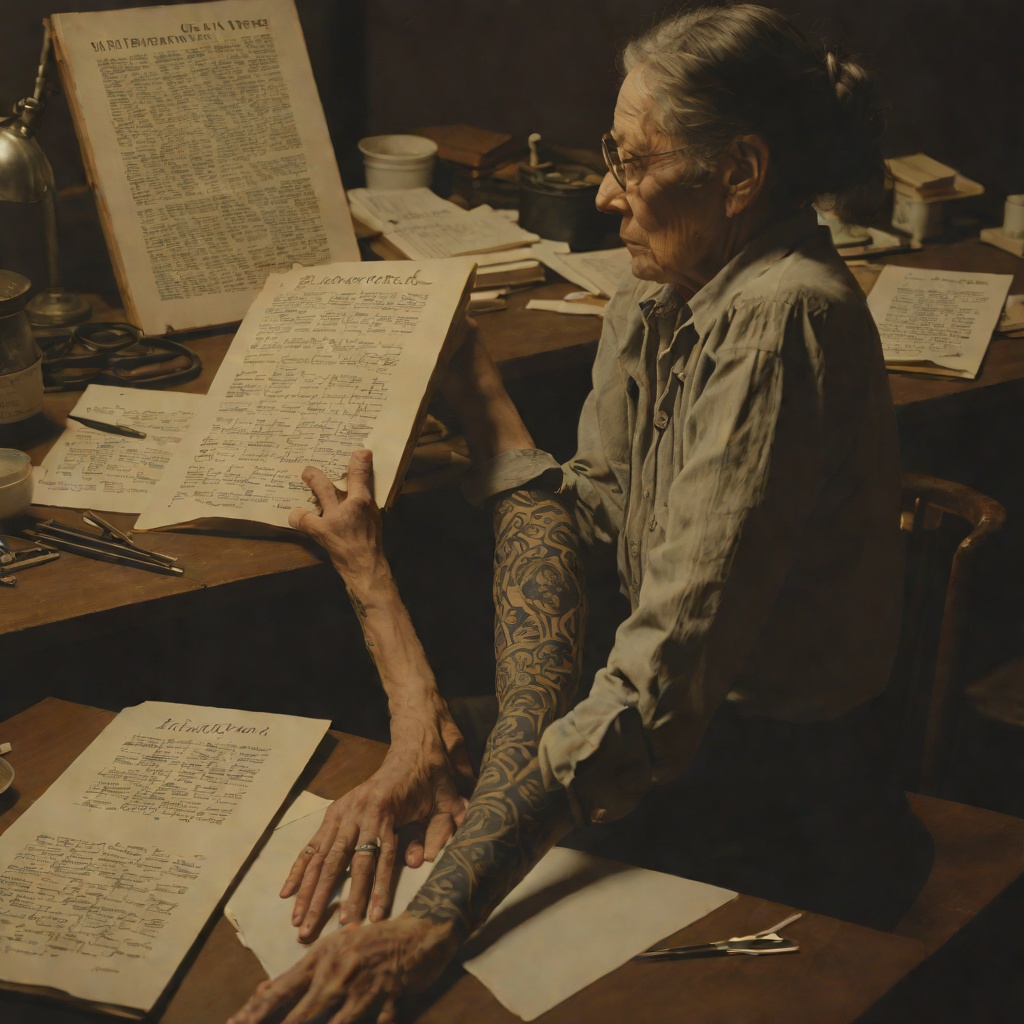
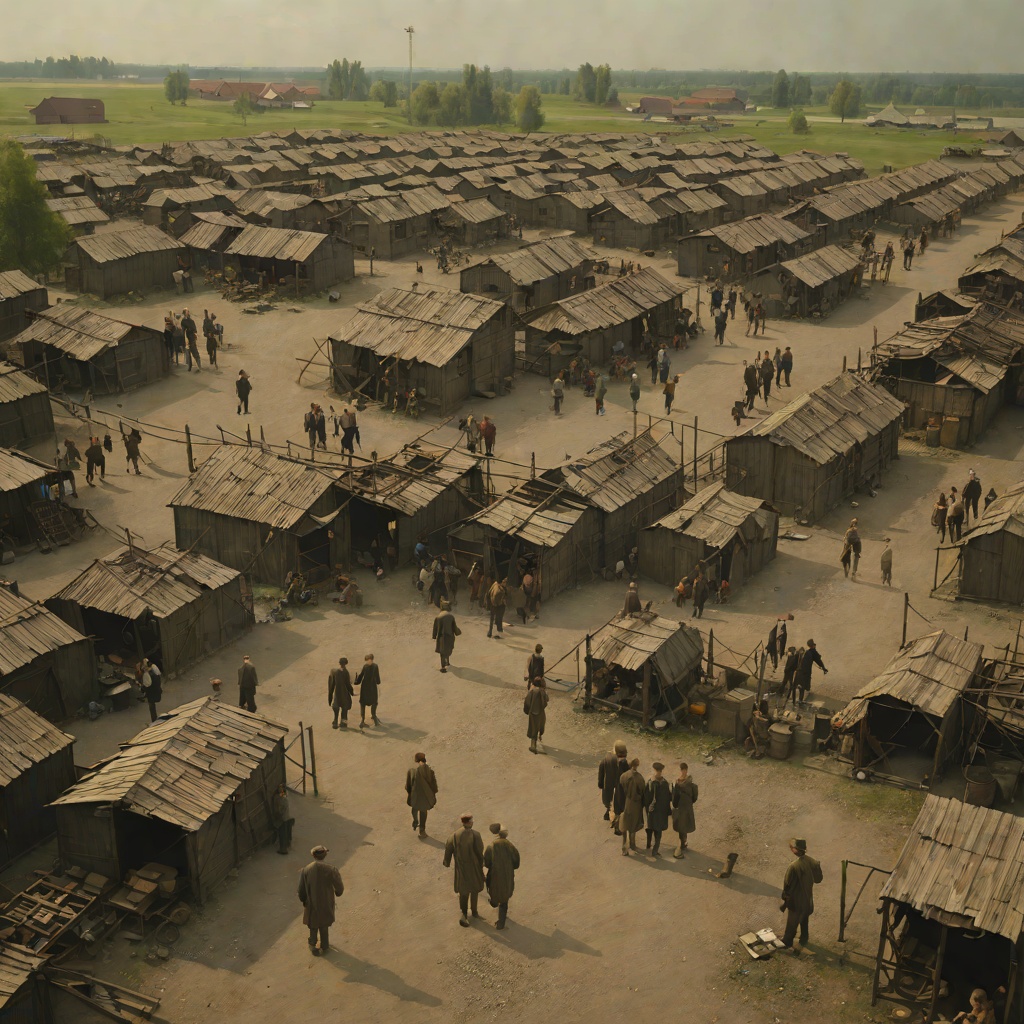
The Tattooist of AuschwitzIn the inverted world of Auschwitz-Birkenau, where human life is reduced to a number stabbed into skin and death is administered on an industrial scale, penicillin emerges as the rarest and most potent currency of all: a substance that can actually reverse the camp's verdict. It is the one commodity that the black market cannot fully supply, the one thing that the SS cannot entirely control, and the one object that Lale Sokolov, the camp's Tätowierer, will risk everything to obtain. When Gita Furman, the woman whose eyes first made his heart stop and begin beating at the same moment, falls victim to typhus, penicillin becomes the hinge on which their entire story turns—the proof that love can still operate as a force of life inside a place engineered for death.
The Threat of Typhus and the Hospital's Death Sentence
The crisis begins when Lale learns from Dana, Gita's friend, that Gita is sick. The diagnosis is typhus, and the women's block has already lost several girls to it that week. The conventional recourse—taking the patient to the camp hospital—is not a path to recovery but a death sentence, as Dana makes clear: if they go to the hospital and ask for penicillin, the authorities will simply take Gita away. Dana has already lost her entire family and cannot bear to lose Gita too, and she pleads with Lale for help. His response is immediate and absolute: "Don't take her to the hospital. Whatever you do, don't go there." He promises that it will take a couple of days, but that he will try to get her penicillin. The weight of the undertaking settles on him as a numbness sweeps over his body, his vision blurs, and his head pounds—the physical manifestation of a man who barely knows Gita, yet realizes he cannot live if she does not.
The Smuggling Operation and the Price of Medicine
To buy time, Lale devises a desperate plan: Dana and Ivana must carry Gita to the Canada warehouse each morning, hide her among the clothes during the day, force as much water into her as possible, and bring her back to their block for roll call—repeating this for several days until medicine can be secured. It is the only way to stop her from being taken to the hospital. Meanwhile, Lale moves with urgent purpose, grabbing his bag and boots and throwing a blanket around his shoulders as he runs to the front gates, not checking who is around. He must reach Victor and Yuri, his partners in the camp's black-market trade, immediately. When they meet halfway, sinking into the snow, Lale shows Victor the gems and currency in his hand—a small fortune's worth—and drops everything he has into Victor's bag. His request is simple and direct: "Penicillin or something similar. Can you help me?" Victor places his packages of food into Lale's open bag and nods. The next morning, Victor delivers the medicine along with food, and that afternoon Lale is able to get it to Dana. The transaction is complete: a fortune in gems and currency, exchanged for a small vial of liquid that might save one life.
The Administration of the Cure and the Vigil at Gita's Side
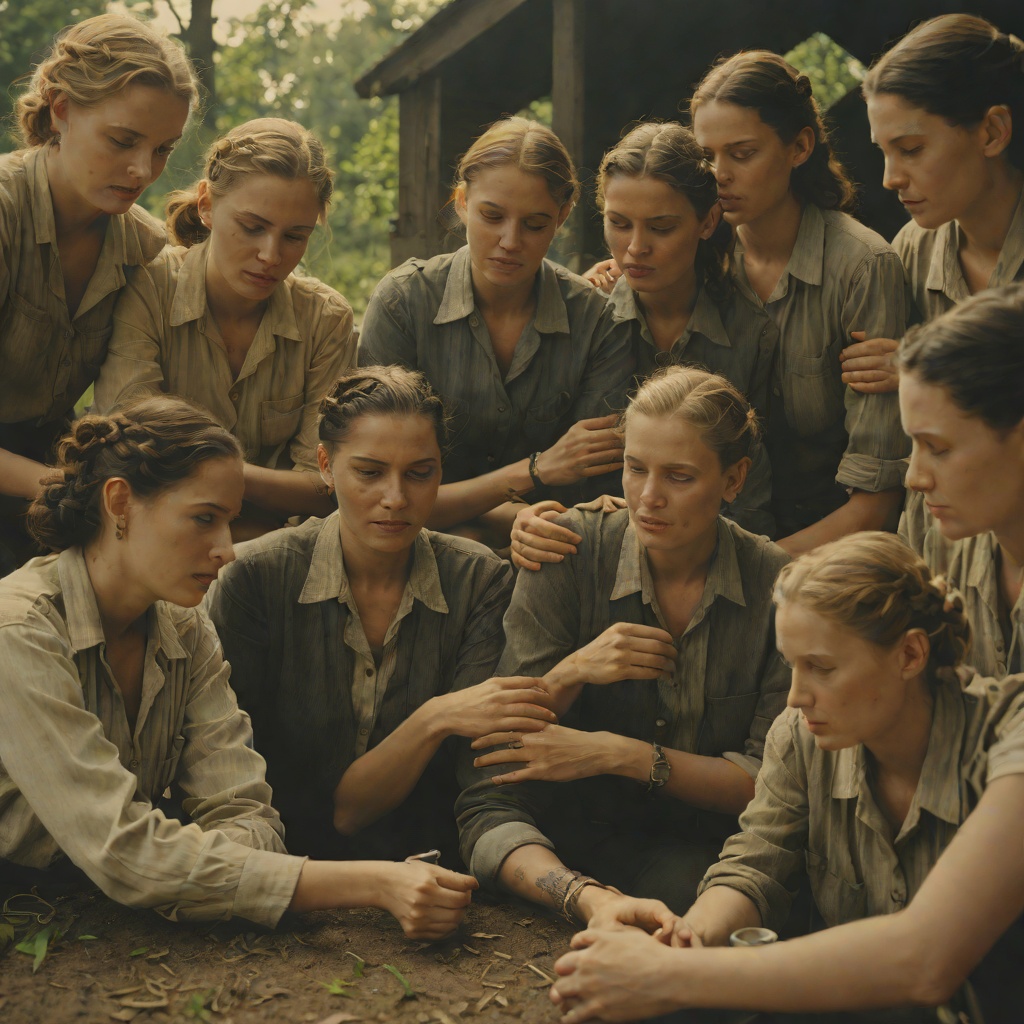
That evening, Dana and Ivana sit beside a now fully unconscious Gita. The pull of typhus is stronger than they are; the black stillness has completely overtaken her. They talk to her, but she gives no sign that she hears them. From a small vial, Dana places several drops of liquid into Gita's mouth as Ivana holds it open. The scene is one of fragile, desperate hope: an exhausted Ivana doubts she can keep carrying Gita to the Canada, but Dana insists she will get better, that they only need a few more days. The penicillin is administered not by a doctor in a clean ward, but by two terrified women in a crowded block, drop by drop, into the mouth of a girl who may already be beyond reach. It is the most intimate and unglamorous act of medicine imaginable, and it is the only thing standing between Gita and the hospital's certain death.
The Symbolic Economy of the Camp
The penicillin episode reveals the deeper logic of the camp's economy, where value is measured not by wealth but by the power to sustain life. Lale's gems and currency—objects that would mean everything in the outside world—are worth nothing compared to a vial of medicine that Victor can procure. The trade is not merely transactional; it is a redistribution of hope. Lale's willingness to give everything he has, without hesitation, establishes the terms of his love for Gita: he will spend his fortune, risk his position, and endanger his life for her. The medicine also stands in stark contrast to the other substances that define the camp—the green ink rubbed into fresh tattoo wounds, the cold water that rains down on shivering men in the shower block, the canister upended into a sealed bus full of naked men. Where those liquids mark, degrade, and kill, penicillin heals. It is the one substance in the camp that works against death rather than for it.
The Legacy of the Cure
The significance of the penicillin extends far beyond the immediate crisis. Gita survives the typhus, and her survival becomes the foundation of everything that follows: the letters Lale writes to her, the diamond ring he obtains, the reunion in Bratislava after the war, and the fifty years of marriage that follow. Decades later, their son would recall his mother's account of the camp: when she was very sick, her mother had come to her in a vision and told her, "You will get better. Move to a faraway land and have a son." The vision and the penicillin together form the twin miracles of Gita's survival—one spiritual, one material. And the lesson of the cure stayed with Gita for the rest of her life. She would bend down to pluck four- or five-leaf clovers from the ground, because in the camp, finding one and giving it to the German soldiers, who believed they were lucky, earned an extra portion of soup and bread. The same instinct that made a vial of penicillin worth a fortune—the knowledge that small things can mean the difference between life and death—never left her. In the end, penicillin is more than a medicine in this story; it is the proof that inside the camp's machinery of death, individual acts of love and sacrifice could still tip the balance toward life.